
The AR-15 rifle, a staple in military, law enforcement, and civilian shooting communities, owes much of its popularity to its reliability, modularity, and precision. At the heart of its precision shooting capability lies its trigger mechanism—a critical component that distinguishes its performance. This article embarks on a detailed exploration of how the AR-15 trigger works, unraveling the intricacies of its function and its pivotal role in the rifle’s operation.
Understanding the Basics of the AR-15 Trigger
The Role of the Trigger in Firearms:
The trigger is essentially the user’s direct interface with the firing mechanism of a firearm. Its primary function is to release the hammer or striker, initiating the firing process that propels a bullet from the barrel. The AR-15’s trigger mechanism is designed to offer a balance between safety, reliability, and precision.
Components of the AR-15 Trigger System:
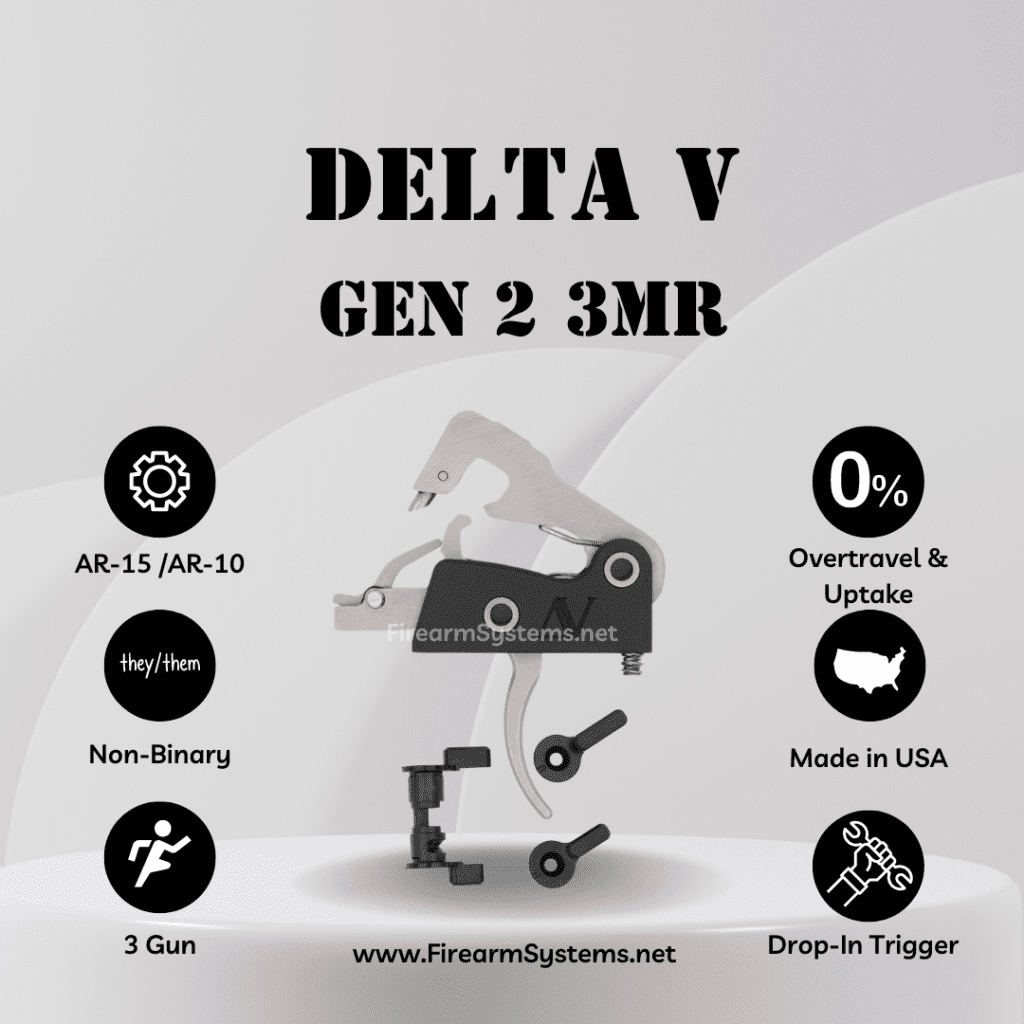
The AR-15 trigger system comprises several key components, including the trigger itself, hammer, disconnector, trigger spring, hammer spring, and safety selector. Each plays a critical role in the firing process, working together to ensure a smooth, reliable operation.
The Mechanics of the AR-15 Trigger
Trigger Pull and Release:
The process begins when the shooter applies pressure to the trigger. This pressure causes the trigger to pivot, pushing the disconnector down and releasing the hammer. The hammer, under tension from the hammer spring, then swings forward to strike the firing pin, which in turn hits the primer of the cartridge, igniting the gunpowder and firing the bullet.
The Role of the Disconnector:
The disconnector ensures that the rifle fires only one round with each pull of the trigger. After the hammer strikes, the bolt carrier group (BCG) moves backward, cocking the hammer again. As the hammer moves back, it is caught by the disconnector until the trigger is released. Once released, the hammer falls onto the trigger sear, ready for the next pull.
Safety Selector Functionality:
The safety selector plays a crucial role in the AR-15’s trigger mechanism, ensuring the rifle can be safely handled when not in use. When engaged, the safety selector blocks the trigger’s movement, preventing the hammer from being released.
Factors Influencing Trigger Performance
Trigger Pull Weight:
The amount of force required to pull the trigger, known as the trigger pull weight, significantly affects shooting accuracy and comfort. AR-15 triggers can vary in pull weight, with lighter triggers often preferred for precision shooting.
Aftermarket Modifications:
Many shooters opt to modify their AR-15s with aftermarket triggers to achieve a desired pull weight, break, and reset. These modifications can enhance performance, especially in competitive shooting scenarios.
Maintenance and Safety Considerations
Maintaining the AR-15 trigger mechanism is vital for the longevity and safety of the rifle. Regular cleaning and inspection can prevent malfunctions and ensure reliable performance. Additionally, understanding and respecting the firearm’s safety features, including the trigger mechanism, is paramount for safe operation.
Conclusion
The AR-15 trigger mechanism is a marvel of engineering, offering precision, reliability, and safety in a compact, efficient package. Its design and functionality are testament to the AR-15’s enduring popularity among various users, from military personnel to sports shooters. By understanding the workings of the AR-15 trigger, shooters can better appreciate the craftsmanship behind this iconic rifle and ensure its safe and effective use.
FAQs
What makes the AR-15 trigger different from other rifles?
The AR-15 trigger system is designed for easy modification and customization, offering a wide range of pull weights and characteristics for various applications.
How often should the AR-15 trigger mechanism be maintained?
Regular maintenance is recommended, especially after extensive use or exposure to harsh conditions. A clean and well-maintained trigger mechanism ensures optimal performance.
Can I install an aftermarket trigger in my AR-15?
Yes, many shooters opt for aftermarket triggers to improve performance. However, ensure the modification complies with local laws and regulations.
Does the trigger pull weight affect accuracy?
Yes, a lighter trigger pull weight can improve accuracy by reducing the force needed to fire, thereby minimizing the risk of disturbing the rifle’s aim.
Is it safe to adjust the trigger pull weight on my AR-15?
Adjusting the trigger pull weight should be done cautiously and, ideally, by a professional, as improper adjustments can compromise safety and functionality.
By delving into the complexities of the AR-15 trigger mechanism, enthusiasts can gain a deeper appreciation for this firearm’s design and ensure its responsible and effective use.
