 FirearmSystems
Affiliate marketing has turned into one of the more reliable ways to build a second income stream online, and it doesn’t require you to hold inventory, ship anything, or run customer service. Whether you’ve been doing this for years or you’re looking at your first affiliate link, there’s real money to be made once you understand how the model actually works. This guide focuses specifically on promoting the Triggered Company Disruptor: the content angles, the channels that work, and the practical steps that turn a stranger into a customer.
What is Affiliate Marketing?
Affiliate marketing is pay-for-performance, plain and simple. You promote someone else’s product, and when your unique link leads to a sale, you earn a commission. There’s no salary and no hourly rate, just money tied directly to results. The merchant gets exposure and sales they might not have gotten otherwise, and you get paid for bringing them a paying customer.
How Does Affiliate Marketing Work?
Four parties are usually involved: the merchant, the network, the affiliate, and the customer. The merchant is the company selling the product, here the Triggered Company Disruptor. The network is the go-between, the platform where affiliates find programs to join. The affiliate does the promoting, the customer clicks through and buys, and the affiliate collects a commission on that sale.
Why Choose the Triggered Company Disruptor for Affiliate Marketing?
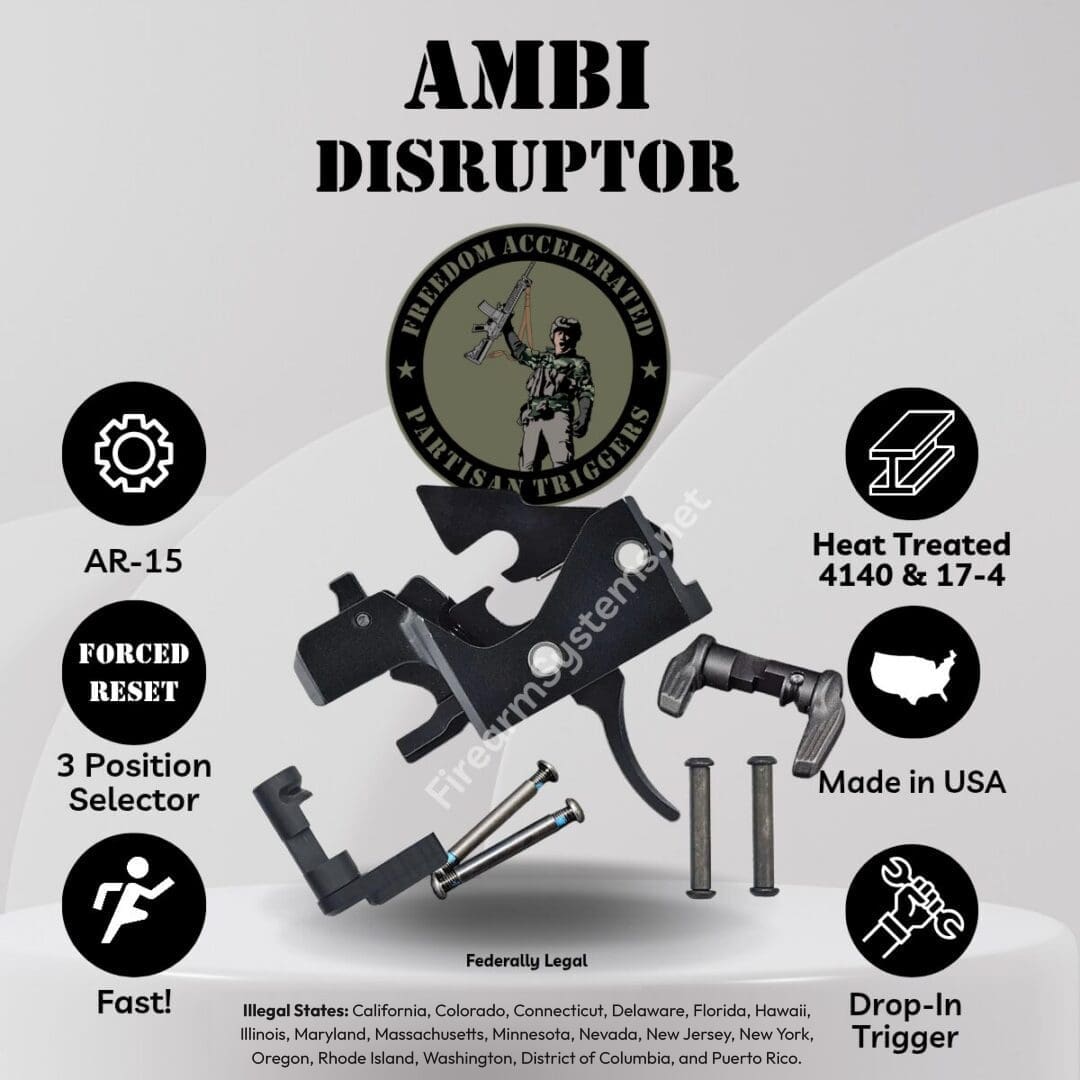
The Triggered Company Disruptor is a serious product in the firearms space, and that matters more than people think when you’re deciding what to promote. Attaching your name to something well-regarded builds your own credibility as an affiliate, and it makes the sale easier because you’re not convincing anyone the product is worth buying, just that it’s worth buying through your link. Strong brand reputation paired with steady demand is about as good a combination as an affiliate can ask for. SIGN UP TODAY!
Setting Up Your Affiliate Marketing Strategy
Researching Your Niche
Before you post a single link, figure out who you’re actually talking to. Who buys a forced reset trigger, competitive shooters, hobbyists, collectors, people building their first AR? What are they frustrated by, and what pushes them from browsing to buying? That knowledge shapes everything else you do here.
Choosing the Right Affiliate Program
Not every affiliate program is worth your time. Look for competitive commissions, tracking that actually works, and payments that show up when they’re supposed to. It also helps if the program hands you ready-made materials, banners, product descriptions, so you’re not starting from a blank page.
Creating High-Quality Content
Content still does the heavy lifting here. Blog posts, honest product reviews, video walkthroughs, social posts, whatever format fits your audience, it needs to actually be useful and not just filler wrapped around a link. Talk about what makes the Triggered Company Disruptor different and why that matters to the person reading, and the clicks tend to follow.
Leveraging SEO Techniques
Search engine optimization (SEO) is how people find your content without you paying for the privilege. Work relevant terms, like “Triggered Company Disruptor,” “firearms,” and “advanced firearm technology,” into your writing naturally, and go after backlinks from sites that already have some authority. Both moves compound over time.
Promoting the Triggered Company Disruptor
Utilizing Social Media Platforms
Social media is still one of the easiest ways to put your affiliate links in front of new people. Stick to the platforms you already use and enjoy, Facebook, Instagram, YouTube, whatever fits your style, rather than forcing yourself onto one you hate. Post consistently, share videos that actually teach people something, and reply to your followers. That kind of engagement is what turns a page into an audience.
Email Marketing Campaigns
Email still outperforms almost everything else per dollar spent. Build a list of people who actually care about this niche, and send them newsletters that feature the Triggered Company Disruptor without turning into a sales pitch every single time. Mix in useful information and the occasional exclusive offer or product update, and subscribers stay subscribed instead of leaving the moment they smell a pitch.
Paid Advertising Strategies
Paid ads can speed things up considerably once you know your niche well enough to target it precisely. Google Ads and Facebook Ads both let you narrow in on the exact audience you want instead of shouting into the void. Write ad copy that says something specific, pair it with visuals that stop the scroll, and you’ll get more out of every dollar spent.
Analyzing and Optimizing Your Performance
Tracking Your Results
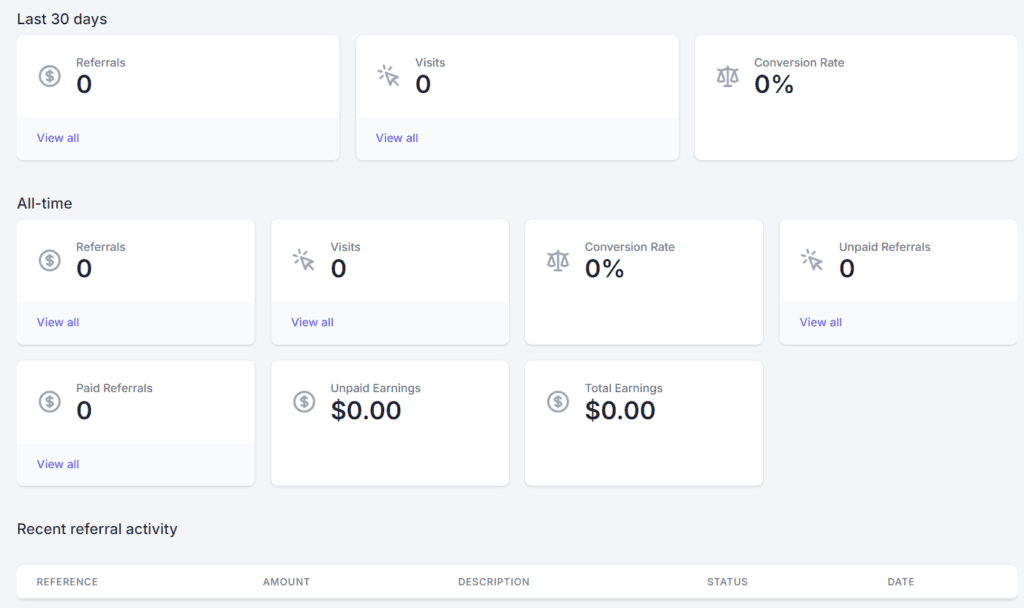
You can’t improve what you’re not measuring. Use analytics tools to keep an eye on traffic, conversions, and earnings, then actually look at that data instead of letting it pile up. It’ll tell you what’s working and what’s quietly wasting your time.
Optimizing Your Campaigns
Once you know what the data is telling you, adjust. Try different content formats, different ad copy, different promotional angles, and keep whatever’s working while you drop what isn’t. This isn’t a one-time fix; it’s something you keep doing, and over time it adds up to more conversions and bigger commissions.
Overcoming Challenges in Affiliate Marketing
Staying Updated with Industry Trends
Affiliate marketing doesn’t sit still. Algorithms change, platforms shift their rules, and what worked last year might barely work now. Following a few forums, sitting in on the occasional webinar, and keeping an eye on people who do this well will keep you from falling behind without turning it into a full-time research job.
Building Trust with Your Audience
Trust is what separates affiliates who last from the ones who burn out their audience in a year. Disclose your affiliate relationships, and only put your name behind products you’d actually recommend to a friend. It’s slower than pushing whatever pays the most, but it’s what keeps people clicking your links years later instead of tuning you out.
Managing Time and Resources
This isn’t a get-rich-quick setup. It takes real time, spread across content creation, promotion, and actually reviewing your numbers. Block out time for each of those instead of doing whichever one feels easiest that day, and you’ll make steadier progress than someone who works in bursts and burns out.
Affiliate Marketing for Beginners
Getting Started
If you’re new to this, the amount of advice out there can feel like a lot. Start simple: learn the basics, join a program that actually supports beginners instead of throwing you in blind, and stick to one niche until you’ve got a feel for it. Expanding comes later, once you know what you’re doing.
Learning from Experts
There’s no reason to figure everything out the hard way. Follow people who are already doing this successfully, read what they write, sit in on their webinars, and borrow what’s worked for them. Learning from other people’s mistakes is a lot cheaper than making your own.
Experimenting and Adapting
A lot of this comes down to trial and error, no matter how much you plan ahead. Try things, see what actually moves the needle, and drop what doesn’t. Some of your best strategies will come from an approach you weren’t sure about at first.
Affiliate Marketing and SEO
Understanding SEO Basics
Search engine optimization (SEO) and affiliate marketing go hand in hand. Get comfortable with the basics, keyword research, on-page optimization, link building, and your content starts working for you long after you’ve hit publish.

Keyword Research
Spend real time on keyword research before you start writing. Google Keyword Planner, SEMrush, and Ahrefs will all show you what people are actually searching for around the Triggered Company Disruptor, which is a much better starting point than guessing.
On-Page Optimization
Work your target keywords naturally into titles, headings, and body text, without stuffing them in awkwardly. And make sure the site itself holds up its end: fast load times, a clean mobile experience, nothing that makes a visitor bounce before they even read your content.
Link Building
Backlinks from sites with real authority still move the needle on rankings. Guest posts, direct outreach, and content people actually want to share are the most reliable ways to earn them.
Advanced Affiliate Marketing Strategies

Creating a Sales Funnel
A well-built sales funnel does a lot of the selling for you. Guide people from first hearing about the product to actually buying it, using landing pages, email sequences, and retargeting ads along the way. Each step should nudge someone a little closer to checkout instead of asking them to jump straight there.
Leveraging Influencer Marketing
Partnering with the right influencer can do more for you in a week than months of solo posting. Find people with real credibility in the firearms industry and work with them to talk up the Triggered Company Disruptor. An honest recommendation from someone an audience already trusts carries more weight than any ad ever will.
Implementing Retargeting Campaigns
Most visitors don’t buy on the first visit, and that’s fine, that’s what retargeting is for. Run ads on Google and Facebook aimed at people who already checked out your content, and give them a reason to come back and finish what they started with the Triggered Company Disruptor.
Utilizing Affiliate Networks
A good affiliate network takes a lot of the busywork off your plate. Join ones with a solid reputation and a decent range of products, and let them handle the tracking, reporting, and payments so you can focus on the actual promotion.
The Future of Affiliate Marketing

Embracing Technology
Where affiliate marketing is headed depends a lot on where the technology goes. AI tools, automation, and blockchain-based tracking are already changing how this works, and affiliates who pick them up early tend to stay ahead of the ones who wait.
Focusing on Personalization
Generic messaging converts worse every year. Use whatever data and analytics you have to actually understand what your audience wants, then tailor your content and offers to that instead of blasting the same message to everyone. Personalized recommendations consistently outperform one-size-fits-all campaigns.
Adapting to Changing Consumer Behavior
How people shop keeps shifting, and affiliates who don’t shift with them fall behind fast. Pay attention to changes in preferences, buying habits, and broader trends, and adjust your approach before it becomes obvious that you have to.
Conclusion
Affiliate marketing rewards people who stick with it. Learn the fundamentals, put real strategy behind your efforts, and keep refining as you go, and there’s genuine income to be made here. Promoting a product like the Triggered Company Disruptor gives you a head start on credibility, since you’re not asking people to trust something unproven. Stay consistent, keep learning, and don’t be afraid to try new tools as they come along. That’s really what it takes to build something that lasts in this space.