 FirearmSystems
Blog
Quick answer: The Triggered Company Disruptor is a true drop-in cassette for mil-spec AR-15 lowers, so installing it takes no gunsmithing, fitting or permanent modification. You separate the upper and lower, remove the factory fire control parts and selector, drop in the Disruptor cassette with its included 3-position selector, secure it with the included anti-walk…
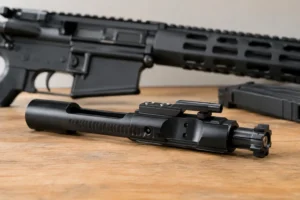
A serious AR-15 build does not run on trigger performance alone. The full auto bolt carrier review starts where reliable speed actually lives: in the relationship between carrier mass, gas impulse, buffer weight, ammunition, and the trigger system. Get that relationship right and the rifle cycles with a controlled, repeatable feel. Get it wrong and…
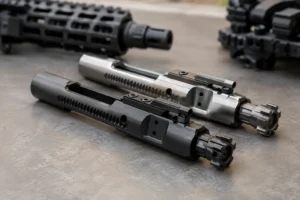
A trigger can only perform as consistently as the operating system driving it. AR bolt carriers control the mass moving through the receiver, the timing of extraction and feeding, and the energy returned to the buffer system. For shooters chasing faster, cleaner split times, that makes carrier selection a functional decision – not a cosmetic…
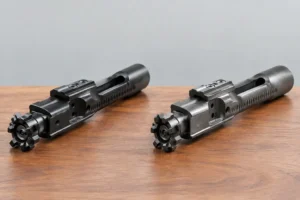
A bolt carrier group does not win matches by looking clean on the bench. It has to cycle under heat, carbon, recoil, and the demands of your gas system, buffer weight, ammunition, and trigger setup. The nitride BCG versus phosphate decision matters because each finish changes how the carrier holds lubricant, breaks in, cleans up,…

A match rifle earns its place one clean stage at a time. The best AR setup for matches is not the rifle with the longest parts list. It is the rifle that breaks clean shots, returns predictably, feeds without drama, and stays consistent when the timer is running. Speed matters, but uncontrolled speed costs points.…

A referral code does not create authority. On an AR-platform performance product, the audience expects you to understand reset behavior, installation requirements, component compatibility, and the legal boundaries around what you are discussing. This firearm affiliate marketing guide is built for creators, trainers, dealers, and serious enthusiasts who want to turn credible technical content into…
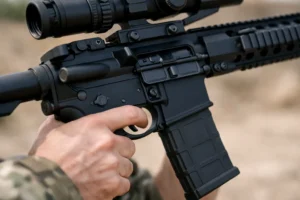
A sharp impact through the trigger shoe can turn an otherwise capable AR-15 into a rifle you do not want to run for long strings. If you are asking how to reduce trigger slap, start by treating it as a mechanical signal, not a nuisance to ignore. Trigger slap usually points to an issue with…

A trigger problem rarely announces itself at the bench. It shows up as a dead trigger after a shot, a reset that feels inconsistent, a hammer that will not release as expected, or a rifle that behaves differently after a component change. Understanding why triggers malfunction starts with treating the fire-control group as part of…

A clean run can be lost between two shots. Not because the shooter lacks speed, but because the trigger does not return with a reset they can feel, control, and repeat under pressure. Real competition trigger results are not built on a single fast split. They come from a trigger system that delivers predictable movement,…
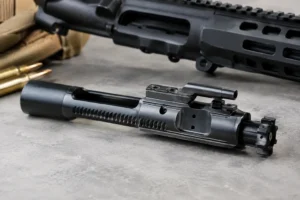
The question “are carriers reliable” gets asked as if the answer lives in one spec, one coating, or one product photo. It does not. In an AR-15, the bolt carrier group is a moving assembly operating under heat, pressure, fouling, and repeated impact. Reliability comes from correct dimensions, durable materials, quality machining, secure gas management,…