 FirearmSystems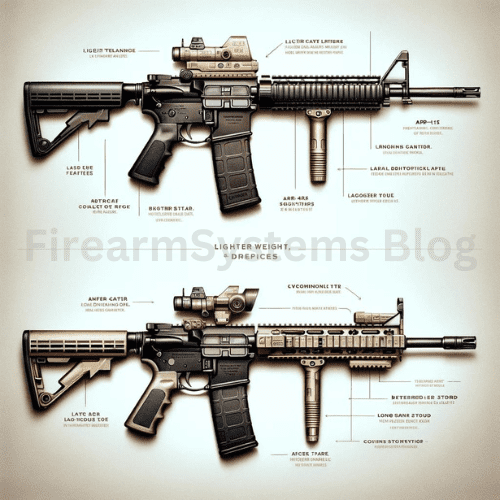
AR-15 vs. AR-10: Breaking Down the Differences
Ask ten different shooters which platform is better, AR-15 or AR-10, and you’ll get ten different answers, usually delivered with a lot of confidence. They share a family tree, but they’re built for different jobs. Let’s break down what actually separates them, features, functionality, and what each one is really good for, so you can stop arguing about it online and just pick the right one.
Understanding the AR Series
Quick history lesson: “AR” stands for ArmaLite Rifle, not “assault rifle” like people love to assume. The AR-10 came first, designed by Eugene Stoner back in the late 1950s. The AR-15 came later, scaled down from it, and went on to become the most widely owned rifle platform in America. Same family, same DNA, but they ended up built for pretty different jobs.
Exploring the AR-15
The AR-15 gets called “America’s rifle” for good reason, it’s probably the most owned rifle platform in the country. Light, ergonomic, and endlessly customizable, it’s earned a spot with sport shooters, hunters, and home defenders alike. Here’s what defines it:
- Modularity: The AR-15 practically begs to be customized. Swap optics, grips, and stocks, whatever suits your shooting style, without needing to be a gunsmith to do it.
- Caliber Options: .223 Remington/5.56 NATO is the classic chambering, but the platform isn’t locked into it. 9mm, .300 Blackout, 6.5 Grendel, there’s a caliber for nearly any application you have in mind.
- Semi-Automatic Action: One round per trigger pull, which makes it a solid fit for everything from casual range days to competitive shooting sports.
Understanding the AR-10
The AR-10, on the other hand, is the bigger sibling: more robust, more powerful, and built with long-range and tactical use in mind. It started as a military design and has since carved out its own space in the civilian market among shooters after serious performance. Here’s what sets it apart:
- Increased Power: Larger calibers like .308 Winchester/7.62 NATO give the AR-10 more stopping power and a longer effective range than the AR-15, which is why it does well for hunting and long-range precision work.
- Sturdy Build: Bigger cartridges mean higher pressures, so the AR-10 is built beefier to handle it, staying durable and reliable even in demanding conditions.
- Versatility: It’s not as endlessly modular as the AR-15, but there’s still plenty of room to tailor it to your preferences and intended use.
Similarities Between AR-15 and AR-10
For all their differences, the AR-15 and AR-10 still share a lot of DNA, and that overlap is part of why both platforms have done so well. Here’s where they line up:
- Operating System: Both rifles run on a gas-operated, rotating bolt system, which keeps cycling smooth and performance consistent across different types of ammunition.
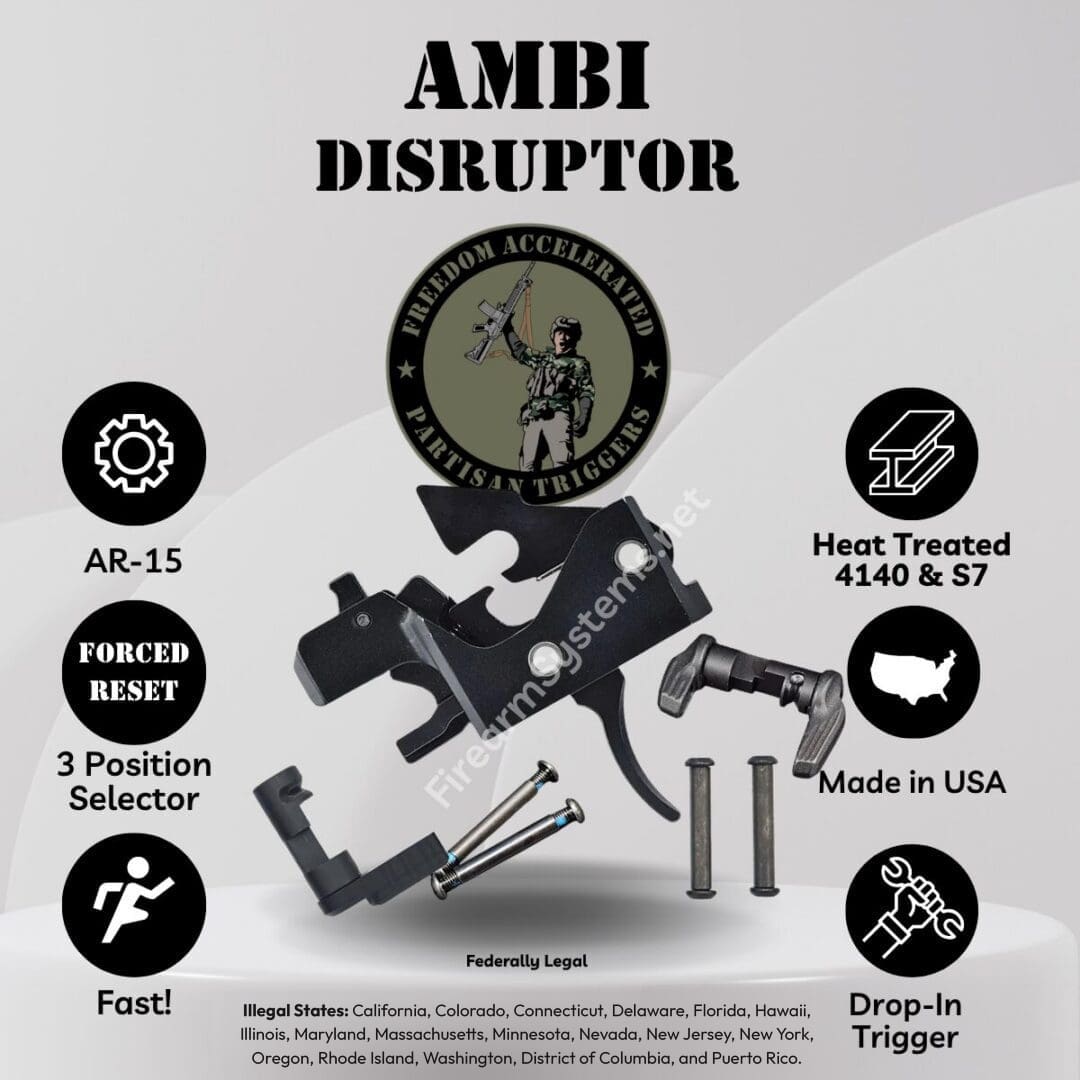
- Familiar Controls: Learn one platform and the other feels familiar almost immediately, thanks to the shared layout and ergonomic design. Both can also use aftermarket drop in triggers like the Triggered Company Disruptor
- Aftermarket Support: Both the AR-15 and AR-10 sit on top of a massive ecosystem of aftermarket parts and accessories, so customizing and upgrading either one is never a problem.
Embracing Diversity in the AR Series
So which one’s “shittier”? Neither, really, they’re just built for different things. The AR-15 and AR-10 are two branches of the same platform, each good at what it’s meant to do. Whether you’ve been shooting for decades or you’re just getting into it, knowing what actually separates these two lets you pick the one that fits your needs instead of just going with whichever one your buddy has. And once you understand both, you’ve got two seriously capable options for marksmanship, hunting, or self-defense.
FAQs:
What are the main differences between AR-15 and AR-10? Mostly chambering, size, and what they’re built for. The AR-15 runs smaller calibers like .223 Remington/5.56 NATO and stays compact, while the AR-10 runs bigger calibers like .308 Winchester/7.62 NATO and trades some of that compactness for power and range.
Can AR-15 parts be used on AR-10 and vice versa? Some accessories cross over, but not much beyond that. The two platforms have different dimensions and specifications, so don’t count on full parts compatibility.
Which rifle is better for hunting, the AR-15 or AR-10? Depends on what you’re hunting. The AR-15 handles small to medium game at shorter ranges just fine, while the AR-10 is the better call for bigger game and longer shots.
Are AR-15 and AR-10 legal to own in the United States? Yes, both are legal to own, subject to federal, state, and local regulations. Some restrictions can apply though, particularly around barrel length, overall length, and magazine capacity, so check your local laws.
What are some common upgrades for AR-15 and AR-10 rifles? Optics like red dot sights and scopes, better grips and stocks, muzzle devices like compensators and muzzle brakes, and trigger upgrades, match-grade triggers especially, for shooters chasing better accuracy.
Can I build my own AR-15 or AR-10 rifle? Yes, and plenty of enthusiasts do exactly that. Building from individual components gives you more control over the final rifle than buying one off the shelf ever could, and it lets you tailor everything to your specific preferences and performance requirements.