 FirearmSystems
AR-15 Trigger Differences: The Complete Guide
Few parts of an AR-15 or AR-10 change the way a rifle feels to shoot as much as the trigger does. Whether you’ve built a dozen rifles or you’re still learning the platform, knowing what separates one trigger from another is worth the time. This guide covers the main trigger types, what each one is good for, and how the differences actually show up when you’re behind the rifle.
Delving into AR-15 Trigger Differences
Every firearm’s trigger mechanism shapes how it shoots, and the AR-15 is no different. It’s the point of contact between shooter and rifle, and it determines feel, pull weight, and how responsive the gun is overall. There’s a wide range of characteristics across AR-15 triggers, and which one is “best” really depends on what you’re using the rifle for.
Understanding Trigger Types
Single-Stage Triggers
Single-stage triggers pull the same weight from start to finish, with almost no take-up and a clean, predictable break. That simplicity is exactly why precision shooters and competitors like them so much; when shot placement matters most, you want to know exactly what the trigger is going to do every time.
Two-Stage Triggers
Two-stage triggers work differently: there’s a noticeable take-up phase before the break, and a tactile reset point you can actually feel. That lets a shooter stage the pull, taking up the slack and pausing right before the break for better control. It’s why a lot of tactical shooters and hunters prefer them, the two-stage feel adapts well across different scenarios instead of locking you into one style.
Match Grade Triggers
Match grade triggers are built for consistency above everything else. Ultra-light pull weights, almost no creep, barely any overtravel: competitive shooters gravitate toward them because there’s very little standing between intent and shot. That lightness is also worth respecting. A trigger that light demands careful handling, or you risk an unintentional discharge.
Exploring Trigger Materials
Steel Triggers
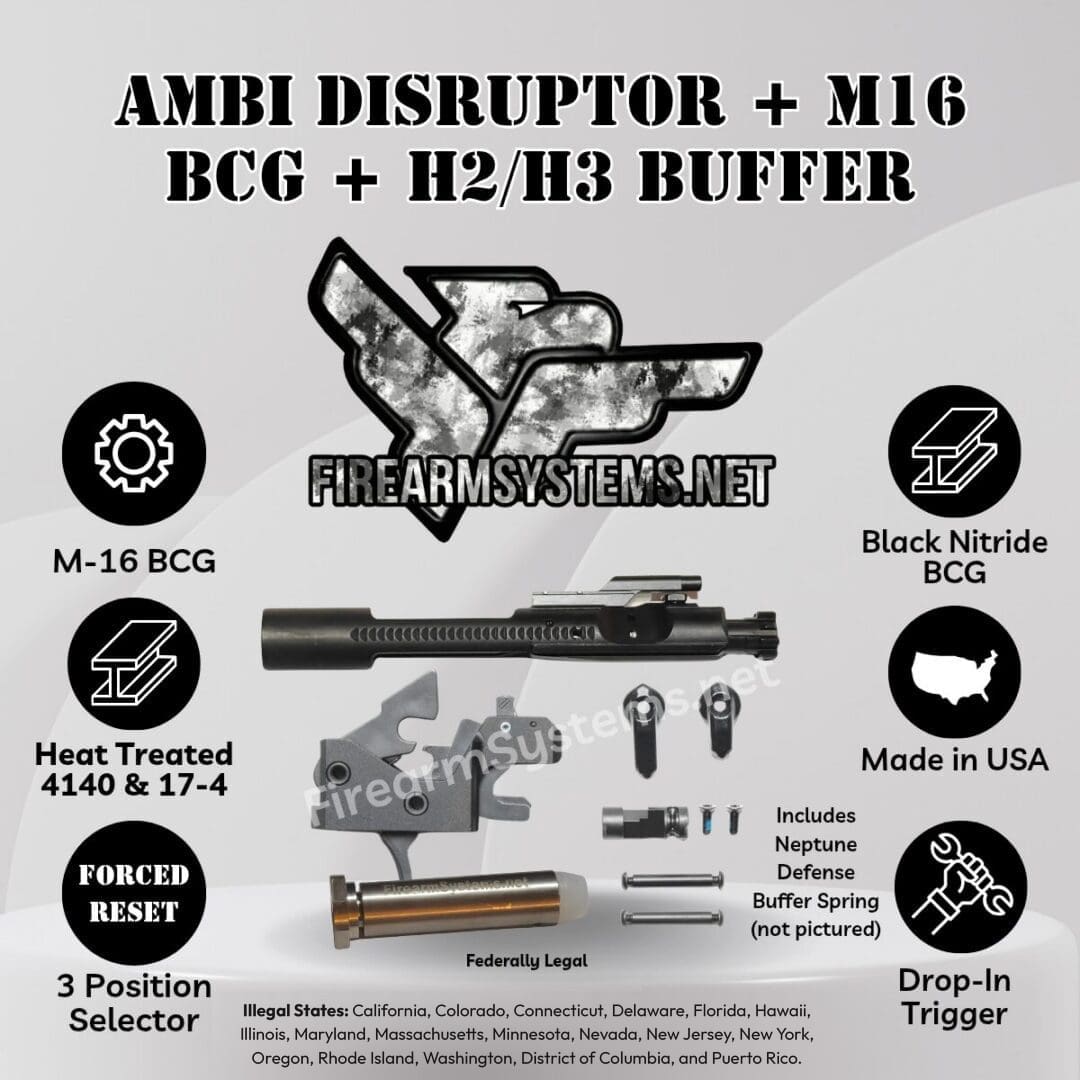
Steel triggers, the Triggered Company Disruptor among them, hold up. High round counts, rough conditions, years of use, none of it seems to wear them down the way it does lighter materials. That durability, plus the solid feel and dependable ignition, is why steel is the go-to for duty and defensive rifles where reliability isn’t negotiable.
Aluminum Triggers
Aluminum triggers trade some of that ruggedness for weight savings and corrosion resistance, which makes sense for competition builds where every ounce actually matters. They also take anodizing well, so if you want a trigger that matches the rest of your build, aluminum gives you more room to customize the look.
Evaluating Trigger Upgrades
Drop-In Trigger Kits
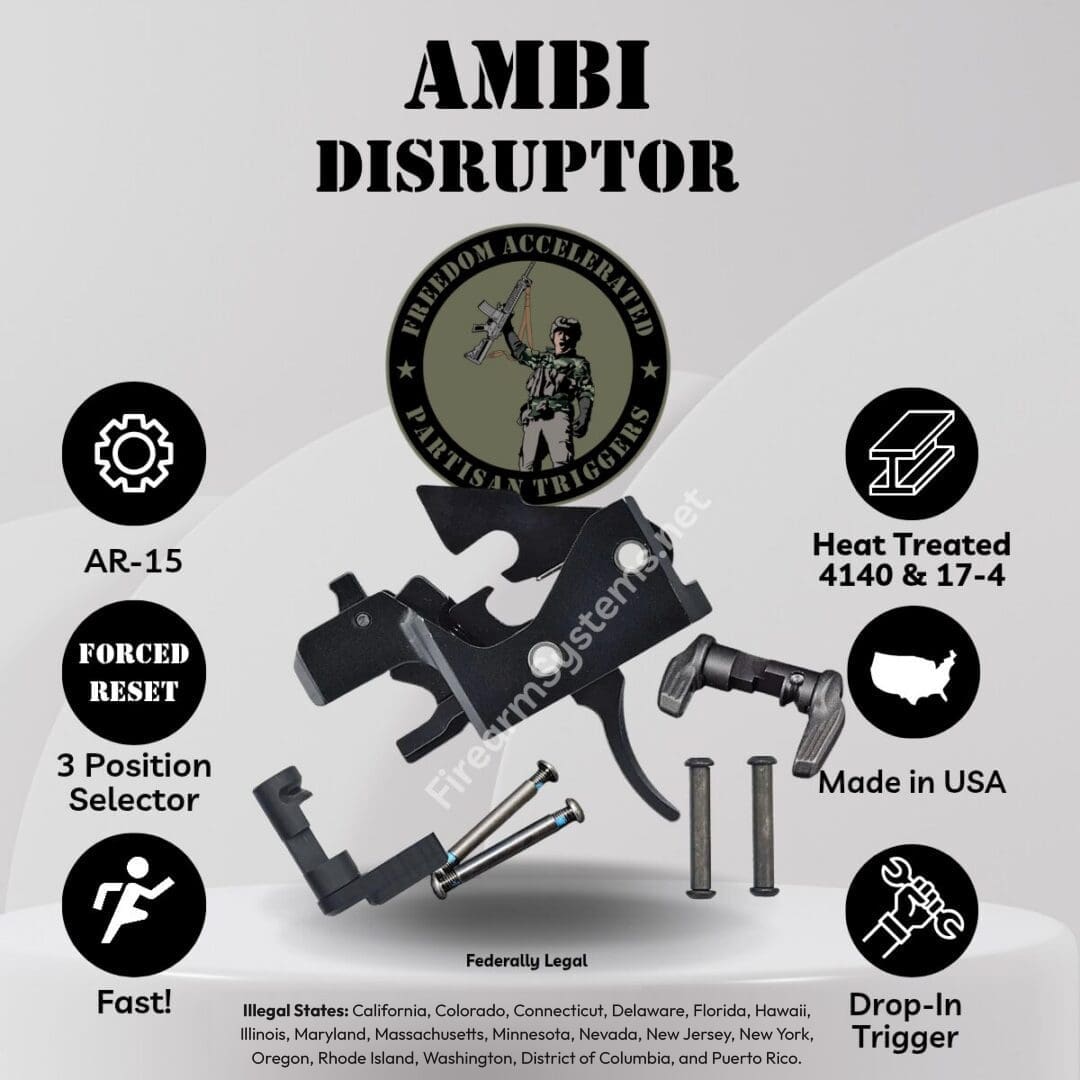
Drop-in trigger kits are the easiest way to upgrade, hands down. They come pre-assembled, so swapping out the factory trigger doesn’t take much more than basic tools and a little patience. With pull weights and styles all over the map, there’s a drop-in option for almost any preference.
Custom Trigger Jobs
If a drop-in kit isn’t refined enough, a custom trigger job is the next step up. A gunsmith hand-tunes and polishes the components until the pull is smooth, light, and consistent in a way that’s hard to replicate off the shelf. It costs more, but for shooters chasing that last bit of refinement, it’s usually worth it.
Conclusion
Understanding what separates one AR trigger from another pays off no matter what kind of shooter you are, competitive, tactical, or just someone who enjoys time at the range. The right trigger changes how the rifle feels in your hands, and now that you know the types, materials, and upgrade paths available, you’re in a much better position to pick the one that actually fits how you shoot.
FAQs (Frequently Asked Questions)
- What are the benefits of upgrading my AR-15 trigger? A better trigger can tighten up your accuracy, lighten the pull weight, improve reliability, and just make the rifle more enjoyable to shoot.
- How do I choose the right trigger for my AR-15? Think about what you’ll actually use the rifle for, your budget, your personal feel preferences, and whether the trigger is compatible with your build.
- Are aftermarket triggers legal? Yes, in most jurisdictions. Just double-check your local laws around firearm modifications before you buy.
- Can I install a new trigger myself? Most drop-in kits, yes, with basic tools and a bit of mechanical know-how. More involved installations are better left to a qualified gunsmith.
- What is the difference between a single-stage and two-stage trigger? A single-stage pulls the same weight the whole way through. A two-stage has a take-up phase first, then a clean break.
- How can I maintain my AR-15 trigger? Clean it, lubricate it, and inspect it regularly. That’s really all it takes to keep it performing reliably.