 FirearmSystems
Upgrading an AR-pattern rifle trigger can improve consistency and control, but it also changes how the fire-control system behaves. This guide is written for owners of the Triggered Company Disruptor who want a simple, safety-first overview of installation expectations and the most common troubleshooting paths, without guessing, improvising, or taking risks.
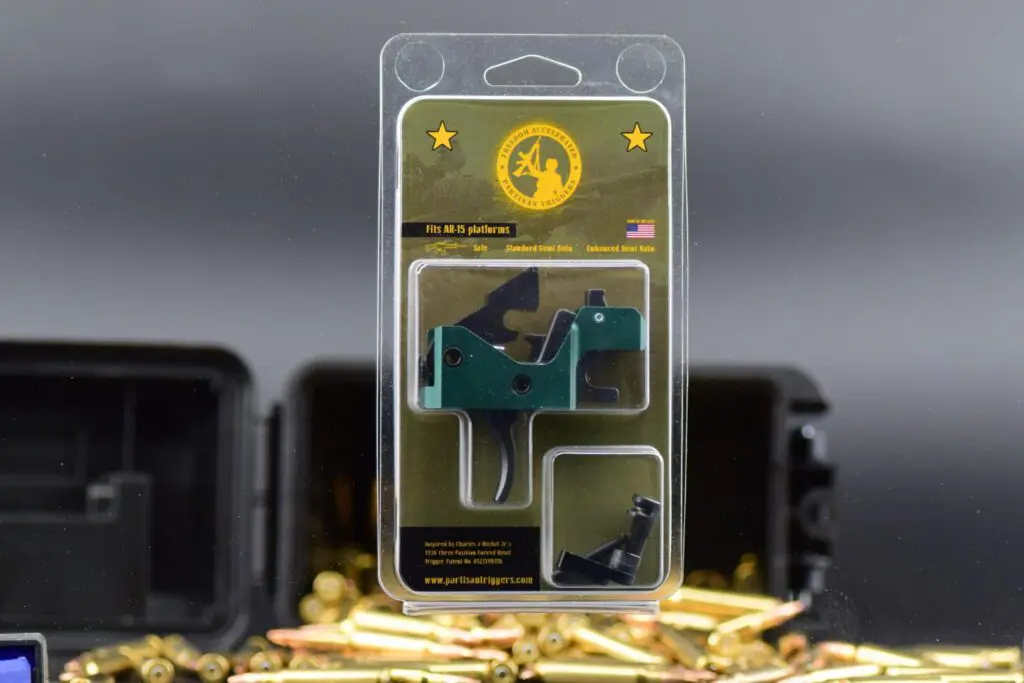
Safety note: Always follow the rules of firearms safety, keep ammunition out of your work area, and stop if anything feels unclear. If you’re not fully confident in your ability to install or diagnose a trigger issue, use a qualified gunsmith and contact the manufacturer for help.
Prefer to watch it? See our full video walkthrough of the Disruptor install for a step-by-step visual guide.
What the Triggered Company Disruptor Is (and Why Setup Matters)
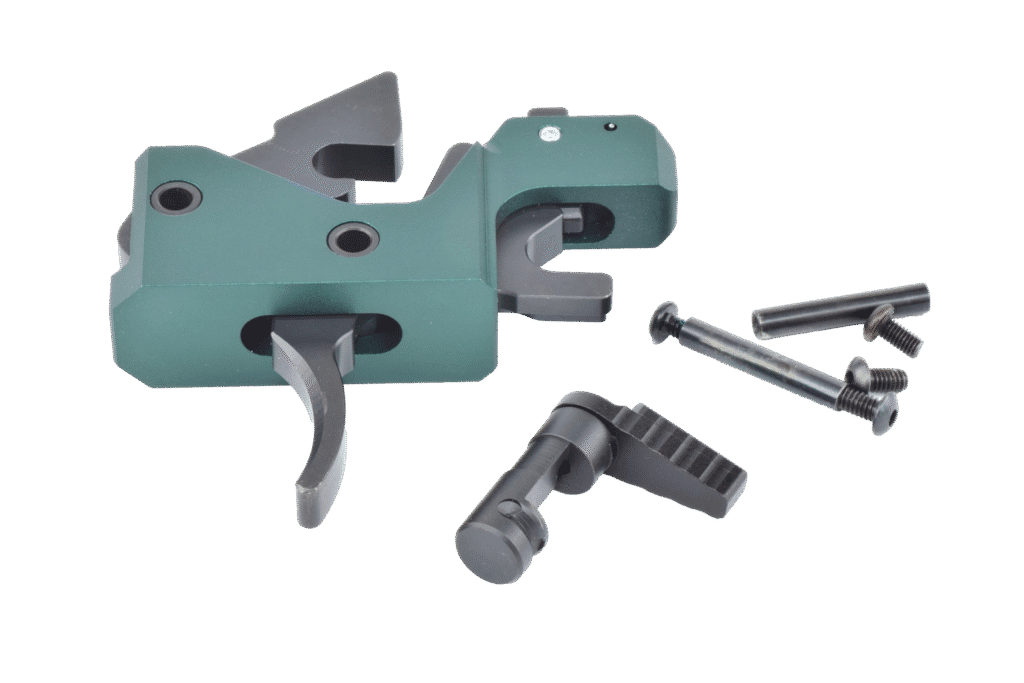
The Triggered Company Disruptor is a drop-in trigger system designed for AR-15 pattern rifles. Like many enhanced trigger systems, it can be more sensitive to rifle setup than a basic mil-spec trigger, including parts compatibility, cleanliness and lubrication, the buffer system, magazines, and overall rifle condition.
Also important: laws vary by location and can change. It’s your responsibility to confirm compliance with federal, state, and local rules before purchase, installation, or use.
Before You Install: A Quick “Don’t-Skip” Checklist
These checks prevent most install-day headaches:
1) Confirm your rifle is in good working order
Enhanced triggers tend to expose existing issues (weak magazine springs, poor lubrication, gas leakage, worn springs, etc.). A clean, properly lubricated rifle is the baseline for reliable function.
2) Use the correct selector/safety parts
The Disruptor is designed to be used with the proper 3-position safety/selector setup specified by The Triggered Company. Mixing parts can create malfunction symptoms that look like “trigger problems” but are actually selector/fitment issues.
3) Know what support covers (and what it doesn’t)
The Triggered Company offers a 12-month warranty against manufacturing defects for the original retail purchaser, but damage from improper installation, modification, or tampering can void coverage. If you’re stuck, it’s often best to pause and contact support early.
Installation Overview (High Level)
If you’re comfortable working on AR fire-control components, installation generally follows the standard pattern:
- Separate upper/lower and clear the workspace of ammunition
- Remove existing fire-control parts and selector components
- Install the Disruptor drop-in module and the correct selector system
- Secure retention hardware per manufacturer guidance
- Reassemble and perform the manufacturer’s unloaded function checks before any live fire
For safety and reliability, avoid “forcing” parts into place or “making it fit.” If anything binds, stop and re-check compatibility, alignment, and selector installation, or hand it to a gunsmith.
Unloaded Function Checks: Don’t Skip This
Before live fire, you should perform the manufacturer’s unloaded function check procedure exactly as written. This helps confirm safe selector operation and expected reset behavior.
If you can’t get a clean function check result, do not fire the rifle. Re-check the installation and contact support.
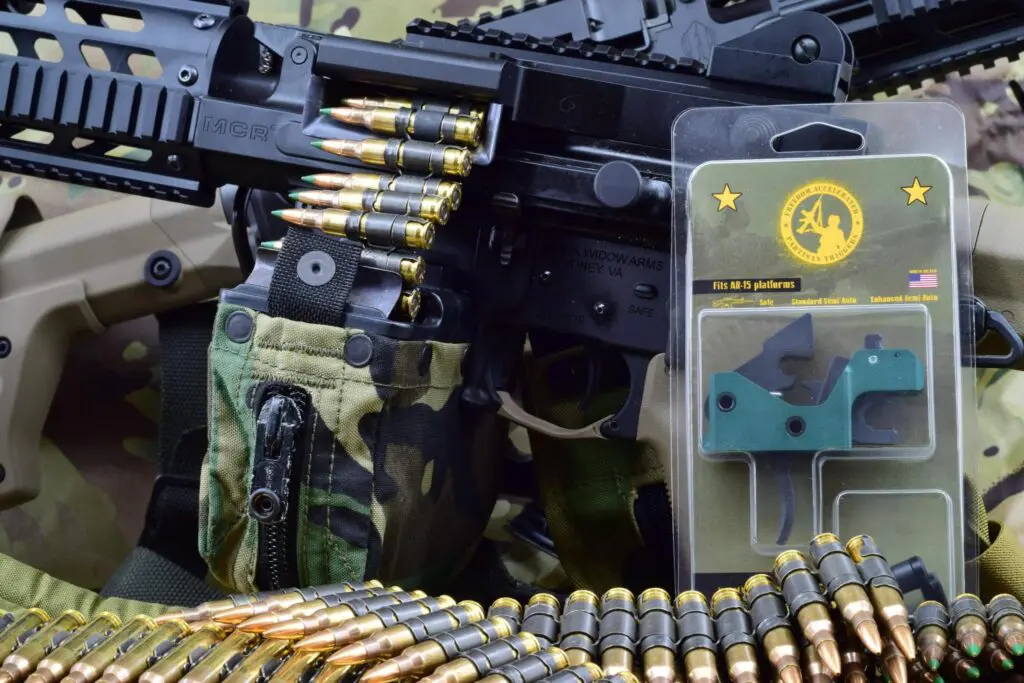
Troubleshooting the Triggered Company Disruptor: Common Symptoms and What to Do
Most issues fall into a few categories: compatibility, maintenance, ammunition/magazines, or general rifle function. Below are the most common symptoms and safe next steps.
Symptom: “Dead trigger” / failure to fire
Common causes to check (safely):
- Installation/selector alignment or retention hardware not properly secured
- Ammunition issues
- General rifle condition (dirty, under-lubricated, worn parts)
Best next step: Re-run the unloaded function checks, inspect for obvious installation/selector issues, and contact support if it persists.
Symptom: Trigger won’t move in a firing position / selector feels wrong
Common causes to check (safely):
- Incorrect or incomplete selector installation
- Compatibility issues with key operating components
Best next step: Stop and verify you’re using the correct selector system and that it’s installed per manufacturer guidance.
Symptom: Reset problems (doesn’t reset consistently)
Common causes to check (safely):
- Dirt/fouling or lack of lubrication
- Overall rifle cycling issues (gas system, springs, carrier/key integrity)
Best next step: Clean/lube thoroughly and verify the rifle cycles reliably with your current setup; then re-run function checks.
Symptom: Feeding issues (won’t pick up the next round) or bolt doesn’t fully return
Common causes to check (safely):
- Magazine spring strength/quality
- Buffer/spring condition
- Gas system integrity (leaks, loose gas key, worn rings)
Best next step: Swap in known-good magazines and ammo, then inspect the rifle’s cycling system and maintenance condition.
Symptom: Ejection issues (stovepipes, spent case trapped)
Common causes to check (safely):
- Dirty chamber/bolt
- Extractor/ejector wear
- Under-gassed operation or gas leakage
Best next step: Clean and inspect the bolt/chamber, then evaluate the rifle’s gas system condition.
When to Stop Troubleshooting and Get Help
Stop DIY troubleshooting and involve a gunsmith/manufacturer if:
- You can’t pass unloaded function checks
- The selector operation doesn’t feel correct
- You see unusual wear, peening, or metal shavings
- The rifle behaves inconsistently across magazines/ammo after basic maintenance checks
Triggered Company support (warranty questions and technical help): contact@triggeredcompany.com
Warranty + Legal Notes
- Firearms are inherently dangerous; users must follow safety rules and seek competent training.
- Users are responsible for complying with all federal/state/local laws and informing any future user of the product.
- Warranty generally covers manufacturing defects (12 months), not loss, misuse, improper installation, or modification.
Building it once? The Disruptor kit is the Ambi Disruptor plus an M16-profile BCG and the H2/H3 Hybrid Buffer for $460. Get the Disruptor kit or read our forced reset trigger buyer’s guide.
